


9 cm Fibroid: Causes, Symptoms, and Treatment

 American Fibroid Centers
If you’ve been told you have a 9 cm fibroid in your uterus, you’re not alone, and you’ve likely got questions. What does this mean for your health, your day-to-day life, and your long-term plans? This guide is designed for patients, caregivers, and anyone looking for straightforward, compassionate, and informative answers about uterine fibroid sizes, especially those measuring 9 cm, and the options available for managing them.
What Is a Fibroid?
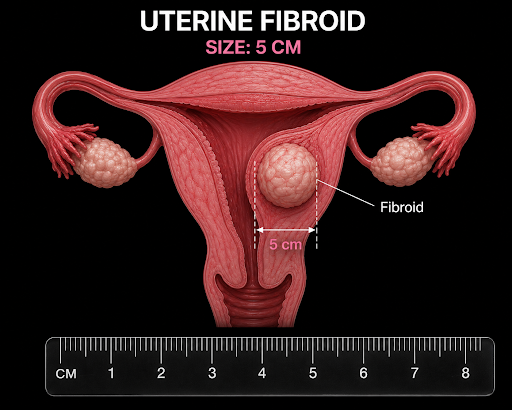
Fibroids, also called uterine fibroids or leiomyomas, are noncancerous growths that form in the muscle tissue of the uterus. They can vary widely in size, number, and location. Some women have just one; others may have several fibroids, ranging in size from small (1 cm) to medium to large (9 cm) or larger than 10 cm.
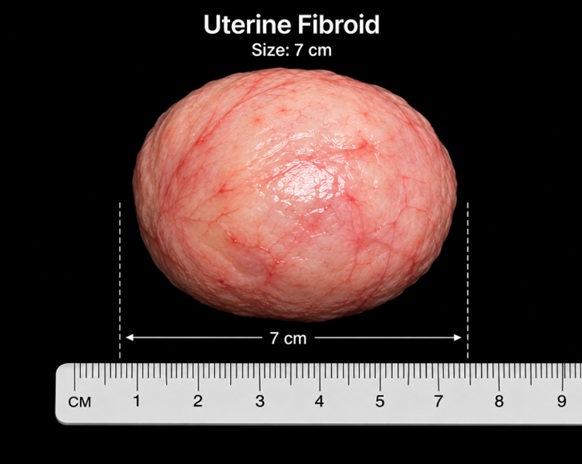
The word “fibroid” often brings up images of something tiny, but a fibroid can actually grow quite big. A fibroid that is 5-9 cm can be roughly the size of a plum, avocado, or orange, which is large enough to affect menstrual symptoms and put pressure on organs nearby.
Why Does Fibroid Size Matter?
When a fibroid reaches 9 cm, it is considered a medium- to large-sized fibroid and is far more likely to cause noticeable symptoms and possible complications. On an ultrasound, a fibroid this large will be clearly visible, and during a pelvic exam, your doctor may even be able to feel that the uterus is enlarged. Its weight may vary with density, but it typically ranges from several ounces to potentially a pound. On imaging tests, a 9 cm fibroid typically appears as a rounded or irregular solid mass inside the uterus, sometimes distorting its natural shape and creating a noticeable outward bulge.
Because of its size, a 9 cm fibroid can press on surrounding organs, interfere with their function, and disrupt your daily routine. This pressure, along with hormonal influences and changes within the uterus itself, helps explain why certain symptoms become more common and more persistent as fibroids grow. Still, it’s important to remember that fibroid size alone doesn’t tell the whole story, and smaller fibroids can sometimes cause more disruptive symptoms than larger ones, depending on their location. Understanding your symptoms is the next step in knowing when to get help and which treatment options might be right for you.
Fibroid Size vs. Symptoms: Why Bigger Isn’t Always Worse
While fibroid size is often the first thing discussed, it’s important to understand that size alone doesn’t determine how serious a fibroid is. A 9 cm fibroid isn’t automatically “worse” than a 5 cm fibroid; it’s simply larger. What matters just as much, and sometimes more, is where the fibroid is located, how many fibroids are present, and how your body responds to them.
For example, a smaller fibroid located inside the uterine cavity (submucosal fibroid) can cause severe, heavy bleeding and fertility challenges, while a larger fibroid growing on the outside of the uterus may cause very few symptoms at all. Some women experience significant discomfort from fibroids under 5 cm, while others with fibroids measuring 9 cm or more have mild or manageable symptoms.
This is why fibroid care is never one-size-fits-all. Size is just one piece of the picture. Symptoms, location, growth pattern, and your personal health goals all play a role in determining whether treatment is needed and which option makes the most sense.
Common Symptoms of a 9 cm Uterine Fibroid
Fibroids measuring around 9 cm may be more likely to cause noticeable or frequent symptoms. However, symptoms vary widely, and some women experience similar issues from fibroids that are smaller or larger than 9 cm, depending on the fibroid’s location within the uterus. Here are three of the most common problems women report:
- Heavy Menstrual Bleeding: Medium- to large-sized fibroids can make periods heavier, longer, and more unpredictable. This may cause anemia, fatigue, and iron deficiency.
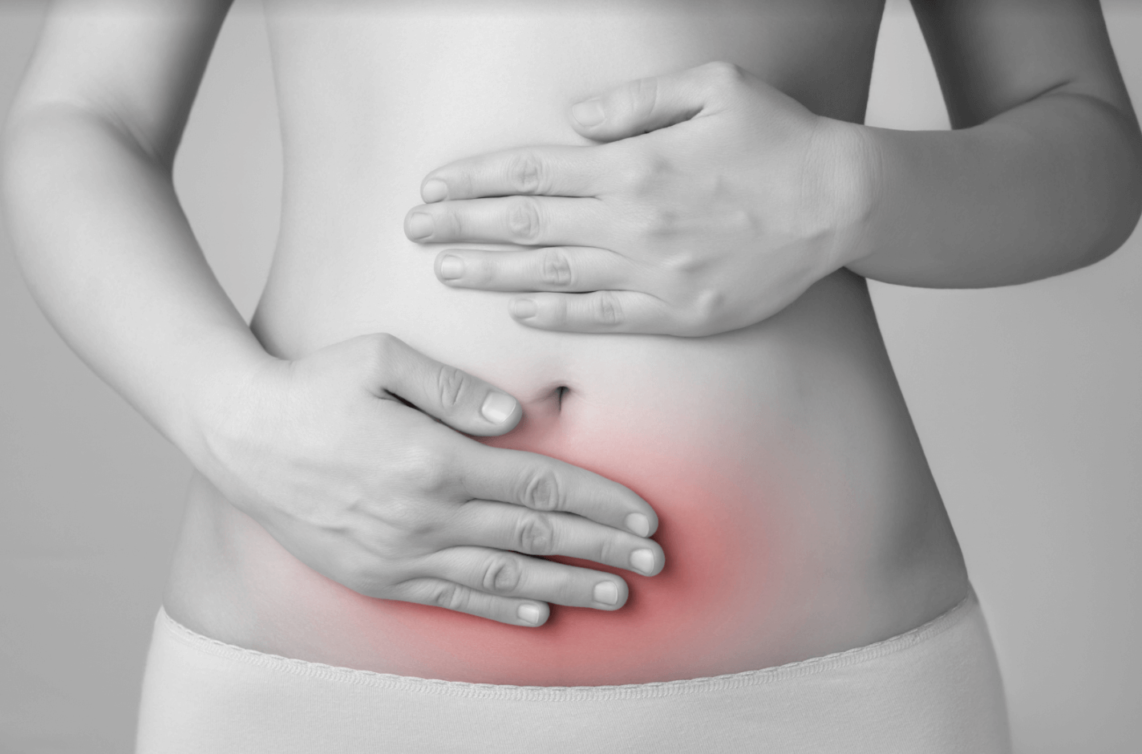
- Pelvic Pain or Pressure: You may feel constant pain, cramping, or a sense of discomfort deep in the pelvis. Sometimes there’s a feeling of fullness, like something is pushing in the lower belly.
- Pressure Symptoms: Because a 9 cm fibroid is sizable, it can press on the bladder (causing frequent urination) or bowels (leading to constipation or bloating). Lower back pain is also common.
Other possible symptoms include pain during intercourse, increased abdominal girth, or difficulty with fertility.
The Impact on Fertility & Daily Life
One of the biggest concerns for women with a larger fibroid is its potential effect on fertility. A fibroid measuring 9 cm can alter the uterus’s shape, making it more difficult for a fertilized egg to implant successfully.
In some cases, it may block or distort one or both fallopian tubes, creating additional barriers to conception. Medium- to large-sized fibroids can also interfere with the blood supply to the uterine lining, which is essential for nourishing an early pregnancy, and they may increase the risk of miscarriage, preterm labor, or other complications during pregnancy.
That said, not all medium-to-large fibroids prevent pregnancy. Many women with fibroids of this size are still able to conceive and have healthy babies, particularly when they receive personalized medical care throughout the process.
When to See a Fibroid Specialist
Whether your fibroid measures 5 cm, 9 cm, or more, symptoms, not size alone, are often the best indicator that it’s time to see a fibroid specialist. Don’t hesitate to reach out to a specialist if you start to notice any of the following symptoms:
- Unusually heavy periods or soaking through pads/tampons every hour.
- Severe pelvic pain that does not respond to over-the-counter medication.
- Sudden increase in abdominal size or pressure.
- Difficulty urinating, chronic constipation, or pain during intercourse.
- Trouble becoming or staying pregnant.
Even if symptoms feel “manageable,” an expert can help you understand your options and safeguard your reproductive health.
How Do You Treat a 9 cm Fibroid?
Modern medicine offers several paths for managing bigger fibroids, and the best choice depends on your symptoms, age, fertility goals, and overall health. The three primary treatment approaches include:
- Medication: Hormone therapies, like birth control pills or intrauterine devices, can help control heavy bleeding and some pain, but they’re less effective for shrinking large fibroids.
- Surgical Procedures: Myomectomy (removal of the fibroid), hysterectomy (removal of the uterus), or minimally invasive treatments like laparoscopic radiofrequency ablation may be recommended for symptom relief and fertility preservation.
- Uterine Fibroid Embolization (UFE): UFE is a minimally invasive, image-guided treatment performed by specialists at American Fibroid Centers. It works by blocking the blood vessels that feed the fibroid, causing it to shrink. UFE helps reduce symptoms, preserves the uterus, allows for a faster recovery, and is often done in an outpatient setting.
Discuss with your provider which approach best suits your lifestyle, goals, and preferences.
Living Well With a 9 cm Fibroid
A diagnosis of a 9 cm fibroid can stir up a mix of emotions: relief at finally having answers, uncertainty about what comes next, and sometimes worry about symptoms or future health. While it’s normal to feel concerned, it’s important to remember that many women successfully manage fibroids of this size and continue to live active, fulfilling lives. With the right medical guidance, lifestyle adjustments, and treatments, you can take meaningful steps to reduce symptoms and protect your quality of life.
What You Can Do
- Track your symptoms: note any changes in bleeding, pain, or overall comfort.
- Get medical support: don’t wait to get help if new or worsening symptoms appear.
- Explore treatment options: discuss benefits, risks, and fertility considerations with your physician.
- Prioritize self-care: focus on rest, balanced nutrition, and gentle exercise to support your well-being.
Related Blogs & Videos



If you or a loved one has been diagnosed with uterine fibroids, especially one measuring around 9 cm, now is the time to get clear answers and supportive care. At American Fibroid Centers, our specialists focus on uterine fibroid embolization, a safe, minimally invasive treatment that uses image guidance to shrink fibroids without major surgery. UFE typically involves smaller incisions, less discomfort, and a faster recovery compared to traditional procedures. It can also treat multiple fibroids at the same time, including sizes ranging from 1 cm to 9 cm and even over 10 cm.
Ready to explore your options? Contact American Fibroid Centers to schedule an appointment at one of our New York fibroid centers. Our compassionate team is here to listen, explain your treatment choices, and help you take back control of your health and quality of life.