


6 cm Fibroid: Causes, Symptoms, and Treatment

 American Fibroid Centers
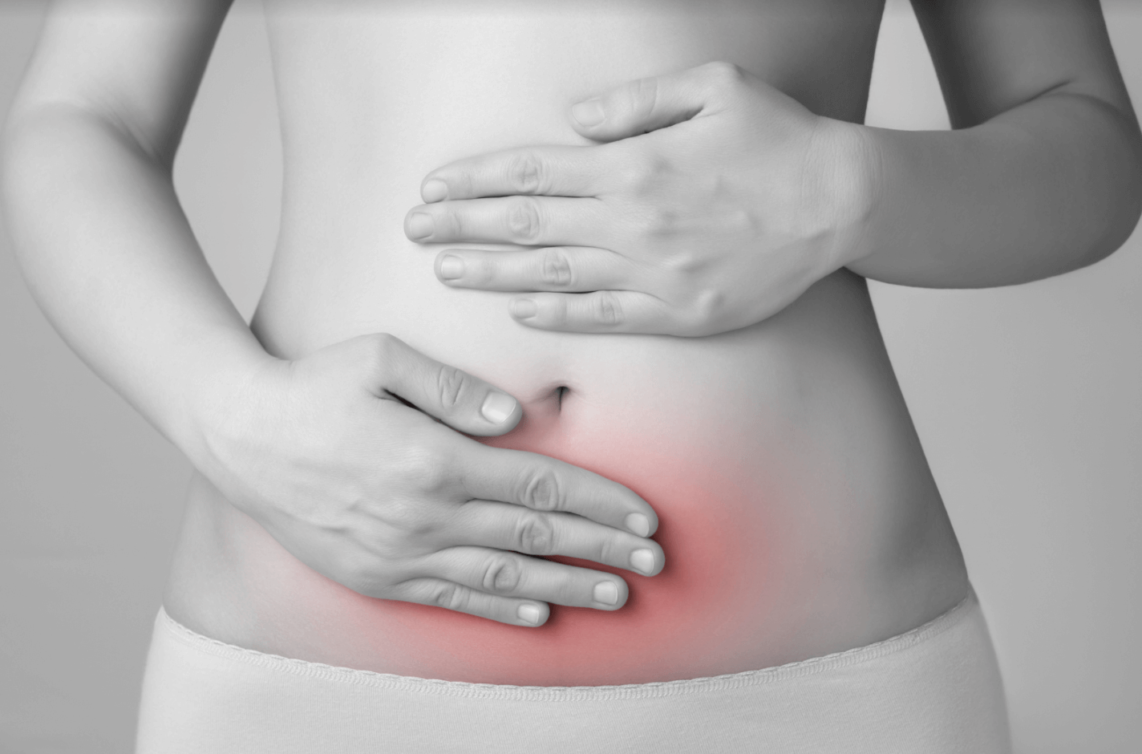
Imagine feeling unusual pressure or discomfort in your lower abdomen and wondering what might be causing it. For many women, the culprit is a uterine fibroid, a common, noncancerous growth inside the uterus. Fibroids vary in size, but one size in particular often sparks concern: a 6 cm fibroid. At this size, these growths can begin to affect your daily life, causing noticeable symptoms and raising questions about your reproductive health.
Understanding what a 6 cm fibroid means for you is important. This size can affect not only how your uterus functions but also your overall well-being, potentially leading to heavy menstrual bleeding, persistent pelvic pain, or pressure on surrounding organs. Fortunately, you don’t have to face this alone. American Fibroid Centers offers modern, minimally invasive treatments like uterine fibroid embolization (UFE) to help you regain control and improve your quality of life without major surgery.
What Is a 6 cm Fibroid, and Why Does Size Matter?
Fibroids, also known as leiomyomas, are made of muscular tissue and develop from the wall of the uterus. Many fibroids stay small and cause no symptoms, but once a fibroid reaches about 6 cm in diameter, roughly the size of a small lemon, it tends to become more noticeable. This size matters because it can press on neighboring pelvic organs, such as the bladder or bowel, resulting in physical discomfort and changes in bodily function.
A 6 cm fibroid can also place the uterus at risk of enlargement, which may cause visible swelling in the lower abdomen or bloating. For some women, a fibroid this size is associated with heavier menstrual cycles and prolonged bleeding, which increases the risk of anemia. It can also contribute to pelvic pain, pain during intercourse, and frequent urination due to pressure on the bladder. Importantly, fibroids of this size can affect fertility and pregnancy outcomes, which makes timely diagnosis and appropriate treatment essential.

Where Can a 6 cm Fibroid Be Located?
Location matters just as much as size when it comes to how a fibroid affects you. Fibroids are classified by type based on where they develop within the uterine wall, and a 6 cm fibroid can behave very differently depending on where it sits:
- Submucosal fibroids grow just beneath the lining of the uterine cavity and are most likely to cause heavy bleeding and fertility complications, even at smaller sizes.
- Intramural fibroids develop within the muscular wall of the uterus and are the most common type; at 6 cm, they often cause the uterus to feel enlarged and can press on the bladder or bowel.
- Subserosal fibroids form on the outer surface of the uterus and, at this size, tend to cause pressure symptoms like bloating, back pain, or a noticeable firmness in the abdomen rather than heavy bleeding.
- Pedunculated fibroids grow on a stalk, either inside or outside the uterus, and a 6 cm pedunculated fibroid can sometimes twist, causing sudden, sharp pain that requires prompt evaluation.
Knowing where a 6 cm fibroid is located helps your specialist determine the safest and most effective treatment approach, whether that’s uterine fibroid embolization or another option tailored to your condition.
Common Symptoms of a 6 cm Fibroid
Fibroids of this size, depending on their location, may produce noticeable symptoms because they press on the uterus and nearby pelvic organs. These symptoms can significantly affect daily comfort and quality of life, signaling the need for evaluation and potential treatment.
Common symptoms:
- Heavy or prolonged menstrual bleeding leading to fatigue or anemia
- Pelvic pressure or pain that may worsen during menstrual cycles
- Frequent need to urinate or difficulty emptying the bladder
- Bloating or swelling in the lower abdomen
- Pain during intercourse or discomfort with physical activities
- Possible complications with conception or pregnancy
While some women with a 6 cm fibroid experience significant symptoms, others may not and do not know they have one until a routine pelvic exam or ultrasound reveals it. It’s important to monitor symptoms closely and consult a fibroid specialist if they interfere with your quality of life.
6 cm Fibroid Treatment Options
When managing a 6 cm fibroid, treatment is tailored to symptom severity, overall health, and reproductive goals. Surgical treatments, like myomectomy and hysterectomy, have traditionally been common, but they involve longer recovery times and greater risks.
Fortunately, uterine fibroid embolization offers a minimally invasive alternative that specifically targets the blood supply to fibroids, causing them to shrink and symptoms to improve.
Why consider UFE for a 6 cm fibroid:
- It’s an outpatient procedure requiring only a small incision.
- It doesn’t involve removal of the uterus, preserving fertility in many cases.
- It typically results in shorter recovery times compared to surgery.
- It has high success rates, with about 85–90% of women experiencing significant symptom relief.
- It’s suitable for most women with fibroids 6 cm or larger who need symptom improvement.
When to See a Fibroid Specialist
If you’ve been diagnosed with a 6 cm fibroid and are experiencing worsening symptoms, getting an appointment with a fibroid specialist is essential. Regular follow-ups with a fibroid specialist can help determine whether your fibroid is growing or causing complications that require intervention. Watch for signs such as severe or uncontrolled bleeding, sharp pelvic pain, sudden abdominal swelling, or symptoms suggestive of fibroid degeneration; these need immediate medical attention.

Why Choose American Fibroid Centers?
American Fibroid Centers’ affiliated board-certified interventional radiologists specialize in uterine fibroid embolization. We provide care across multiple convenient New York City locations, including Brooklyn, Harlem, and Queens, with a patient-centered approach to diagnosis, treatment planning, and follow-up.
Our team will provide a thorough evaluation, explain your treatment choices in clear terms, and help you decide on a personalized plan designed to reduce symptoms, avoid invasive surgery, and improve your quality of life.
Our affiliated centers are equipped with advanced imaging technology, allowing for precise, image-guided procedures that optimize outcomes. We strive to ensure your comfort and peace of mind throughout your care journey, offering expert advice and treatment tailored to your unique fibroid symptoms and health goals.
Related Blogs & Videos


If you suspect or know you have a 6 cm fibroid, don’t wait to take control of your health. Schedule a consultation with one of our affiliated fibroid specialists at American Fibroid Centers to explore your options, including the benefits of uterine fibroid embolization.
A 6 cm fibroid is more than just a number. It represents an important milestone in your health journey that deserves attention and expert management. With the right care, relief from fibroid symptoms is possible without the disruption of major surgery. Reach out today to learn how American Fibroid Centers can help you reclaim comfort and confidence. For more information or to schedule an appointment at one of our New York locations, visit American Fibroid Centers.