


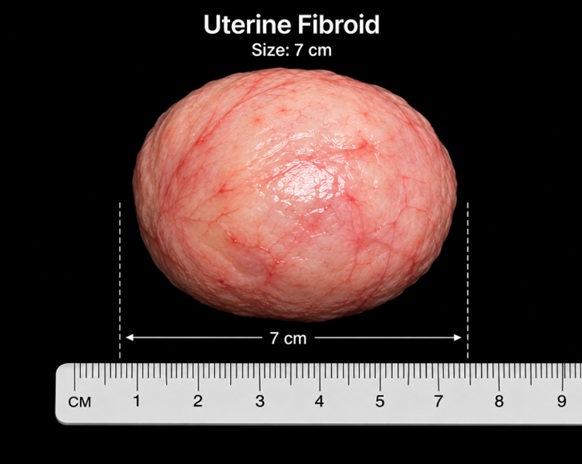
7 cm Fibroid Explained: What You Need to Know

 American Fibroid Centers
Finding out you have a 7 cm fibroid in your uterus can sound alarming. You might wonder how serious it is, what symptoms to watch for, and whether you’ll need treatment. The truth is that fibroids are common, and many women live with them for years, sometimes without realizing they have one. Still, when a fibroid reaches 7 centimeters (about the size of a lemon or medium orange), it’s considered a medium-to-large size, and it can start to cause noticeable symptoms and unwanted physical changes. This guide explains what a 7 cm uterine fibroid is, how it may impact your health, and the treatment options available to help you feel like yourself again.
What is a 7 cm Fibroid in the Uterus?
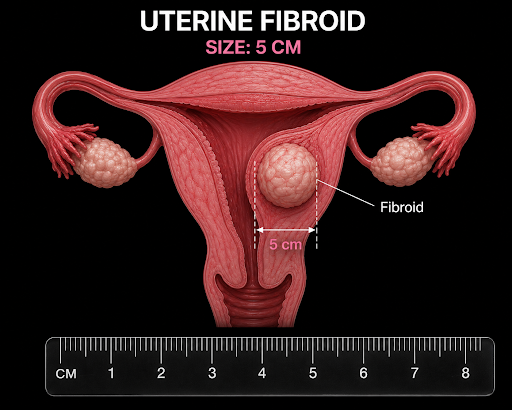
A fibroid (also called a leiomyoma or myoma) is a noncancerous growth that develops in the muscle wall of the uterus. Fibroids can vary widely in size, from tiny growths the size of a pea to large masses that can stretch the uterus. A 7 cm fibroid measures just under three inches. At this size, it’s classified as a medium to large fibroid, which can distort the shape of the uterus, press on nearby organs, and cause moderate to severe symptoms. Fibroids are incredibly common, affecting up to 70–80% of women by age 50, and they tend to grow during the reproductive years when estrogen levels are higher.
Types of Uterine Fibroids
Fibroids can grow in different parts of the uterus, and their location often determines which symptoms you may experience. The main types include:
- Intramural fibroids: Grow within the muscular wall of the uterus (most common).
- Subserosal fibroids: Grow on the outer surface of the uterus and can press on nearby organs like the bladder or bowel.
- Submucosal fibroids: Grow just beneath the inner lining of the uterus, often causing heavy menstrual bleeding.
- Pedunculated fibroids: Grow on stalk-like stems that extend from the uterus, which can sometimes twist and cause pain.
A 7 cm fibroid of any type has the potential to cause symptoms, especially if it’s pressing on surrounding tissues or distorting the uterine cavity.
Fibroid Size Isn’t the Whole Story
Although fibroids are often described by size, it’s important to know that a 7 cm fibroid isn’t automatically more serious than a smaller fibroid. Size simply refers to measurement, not severity. Symptoms depend heavily on where the fibroid is located, how many fibroids are present, and how they affect surrounding organs.
For example, a smaller fibroid inside the uterine cavity can cause severe bleeding and fertility challenges, while a larger fibroid growing on the outside of the uterus may cause mild or even no symptoms at all. Some women experience significant discomfort from fibroids under 5 cm, while others with fibroids measuring 7 cm or more feel little disruption in daily life.
Because of this variability, fibroid treatment decisions are based on symptoms and location, not size alone. Understanding this helps explain why two women with fibroids of the same size may have very different experiences and treatment needs.
Common Symptoms of a 7 cm Fibroid
While smaller fibroids may not always have symptoms, a 7 cm fibroid often makes its presence known. Symptoms can range from mild discomfort to severe disruption of daily life. While a 7 cm fibroid may sound concerning, size alone doesn’t determine how serious a fibroid is or whether treatment is needed.
Typical symptoms:
- Heavy or prolonged menstrual bleeding (sometimes with large clots)
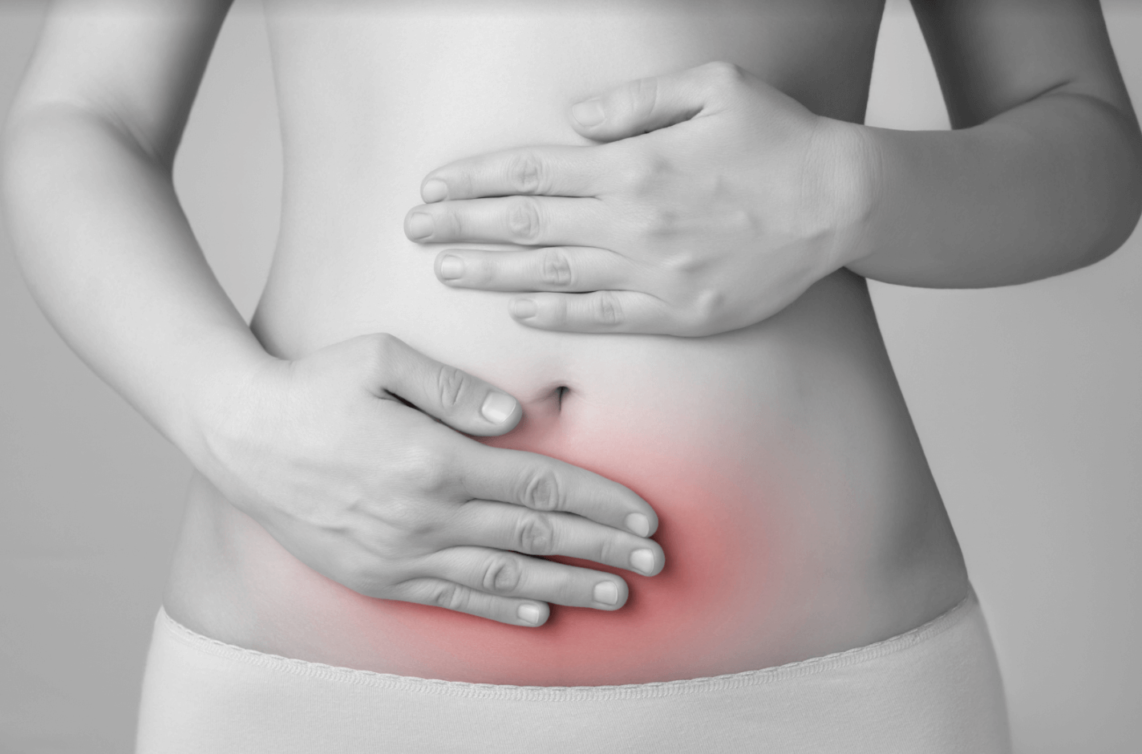
- Pelvic pain or pressure
- Bloating or abdominal fullness
- Frequent urination or difficulty emptying your bladder completely
- Constipation or pressure on the bowels
- Lower back pain
- Pain during sex
- Fatigue or anemia
- Difficulty getting pregnant or maintaining a pregnancy
However, the severity of symptoms depends mainly on the fibroid’s location, whether multiple fibroids are present, and how they affect nearby organs, not just the fibroid’s size.
Is a 7 cm Fibroid Dangerous?
Most fibroids are benign (noncancerous), and a 7 cm fibroid by itself isn’t inherently dangerous. However, that doesn’t mean it should be ignored. Medium-to-large fibroids can lead to complications, such as:
- Severe anemia from heavy bleeding
- Bladder or bowel dysfunction from pressure
- Chronic pelvic pain
- Fertility issues or pregnancy complications, such as miscarriage or preterm labor
In rare cases, a rapidly growing fibroid may need further testing to rule out other causes. Regular monitoring by your doctor helps ensure the fibroid isn’t causing unexpected issues.
How Doctors Diagnose a 7 cm Fibroid
If you suspect a fibroid or are experiencing symptoms, your doctor may use one or more of the following tests:
- Pelvic exam: To feel for an enlarged or irregular uterus.
- Ultrasound: The most common imaging test to confirm the size, number, and location of fibroids.
- MRI: Offers a detailed view of the uterus and is especially useful for planning treatment.
- Hysteroscopy or sonohysterography: Allows your provider to look inside the uterus if bleeding is a concern.
These tools help determine whether your symptoms are due to the fibroid and which treatment options are most appropriate.
Treatment Options for a 7 cm Fibroid in the Uterus
Treatment depends on your symptoms, age, fertility goals, and overall health. Here are the most common approaches:
1. Watchful Waiting
If your fibroid isn’t causing significant symptoms, your doctor may recommend monitoring it through regular exams or ultrasounds. Fibroids often shrink after menopause when estrogen levels drop.
2. Medications
Certain medications can help control symptoms, though they don’t make fibroids disappear.
- Hormonal birth control (pills, patches, IUDs) can help reduce heavy bleeding.
- GnRH agonists can temporarily shrink fibroids by lowering estrogen levels.
- Tranexamic acid or NSAIDs can help manage heavy periods and pain.
3. Uterine Fibroid Embolization (UFE)
A minimally invasive, nonsurgical procedure that cuts off blood flow to the fibroid, causing it to shrink.
- Performed by an interventional radiologist.
- No large incisions, general anesthesia, or hospital stay required.
- Most women return to normal activities within a week.
- Preserves the uterus and fertility in many cases.
UFE is especially effective for fibroids in the 1–10 cm range, making it an excellent option for a 7 cm fibroid, and it can even treat those over 10 cm.
4. Myomectomy
A surgical procedure that removes fibroids while preserving the uterus.
- It can be performed via hysteroscopy, laparoscopy, or open surgery, depending on fibroid size and location.
- Suitable for women who plan to have children.
- Longer recovery than UFE and less effective results.
5. Hysterectomy
The surgical removal of the uterus provides a permanent solution to remove fibroids but ends fertility.
- Typically reserved for severe cases or women who have completed childbearing.
Uterine Fibroid Embolization (UFE): A Non-Surgical Solution
For many women, UFE offers an excellent alternative to traditional surgery. This minimally invasive procedure is performed by American Fibroid Centers’ affiliated fibroid specialists, who are interventional radiologists. It targets the fibroid’s blood supply, causing it to shrink naturally over time.
How UFE Works
During the procedure:
- A tiny catheter is inserted into the femoral or radial artery (in your groin or wrist).
- Using image guidance, the doctor directs the catheter to the uterine arteries that feed the fibroid.
- Tiny particles, about the size of grains of sand, are injected to block the blood flow to the fibroid.
- Without a blood supply, the fibroid gradually shrinks and symptoms improve.
The entire procedure typically takes about an hour, and most patients go home the same day.
When to See a Fibroid Specialist About a 7 cm Fibroid
You should schedule an appointment if you notice:
- Periods that are consistently heavy or prolonged
- Pelvic pain that interferes with daily life
- Bloating, urinary issues, or constipation
- Trouble conceiving or maintaining a pregnancy
Don’t wait for symptoms to become severe. With early diagnosis, you can explore treatment options, such as UFE, that offer long-lasting relief without major surgery.
Related Blogs & Videos



If you’ve been diagnosed with a 7 cm fibroid in your uterus or are experiencing heavy bleeding, pelvic pain, or pressure, it’s important to know your options. American Fibroid Centers’ affiliated locations in NYC offer image-guided, minimally invasive treatments, including UFE, performed by experienced interventional radiologists to treat fibroids of any size. Don’t let fibroid symptoms control your life. Schedule an appointment today to learn how you can find relief and take back your health.